
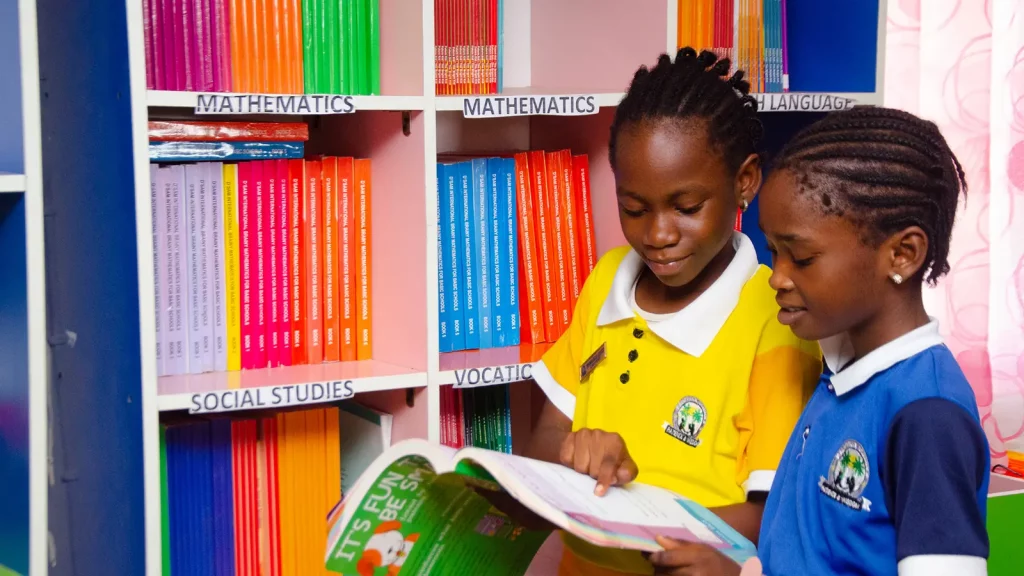
Children in Primary 1 to 3 are building the number sense that all later mathematics depends on. The most effective way to do this is not through worksheets but through play. These numeracy games for kids use cards, dice and everyday objects you already have at home, and each one takes only a few minutes.
Keep sessions short, cheerful and low-pressure. If your child is enjoying a game, play on; if they are tired or frustrated, stop and try again tomorrow. The goal is to make numbers feel friendly.
Numeracy games for kids: counting
Counting is more than reciting numbers. Children must connect each number to a quantity, count in different ways and notice patterns.
For a challenge, let your child be the teacher. Explaining a counting game to a younger sibling or a parent helps them understand it more deeply and boosts confidence.
Another simple game is “Guess my number”. Think of a number between one and twenty and let your child ask yes-or-no questions, such as “Is it bigger than ten?”, until they find it. Then swap roles. The game builds reasoning as well as counting.
- Treasure count: hide ten small objects around a room and ask your child to find and count them
- Skip counting: count in twos, fives and tens while hopping or clapping
- Number line on the floor: draw numbers on paper and have your child jump to the right one
- How many in the bowl? Scoop a handful of beans or bottle tops, estimate, then count to check
Addition and subtraction games
Games with dice and cards give children plenty of practice without it feeling like homework. Using real objects first helps them understand what the symbols mean.
Keep the language simple and consistent. Use words such as “add”, “plus”, “altogether”, “take away” and “left” so children link the words to the actions, and write the number sentence together once they have the answer.
Try “Make ten” with fingers, beads or counters. Show a number and ask how many more are needed to reach ten. These number bonds are the foundation of quick mental arithmetic later on.
- Roll and add: roll two dice, add the numbers and say the answer aloud. Take away one die to practise “one more”
- Card pairs: using playing cards with the picture cards removed, find two cards that add up to ten
- Shop play: set up a pretend shop with price labels, using bottle tops as coins, and let your child pay and give change
- Snack subtraction: start with ten groundnuts or slices of fruit, then ask “If we eat three, how many are left?”
Shapes and measurement
Mathematics also includes shape, size and measurement. A walk around your compound or the kitchen offers plenty of chances to practise them.
Bring in patterns too. Ask your child to continue a pattern of red, blue, red, blue with bottle tops or stones, or to make a pattern of their own for you to continue.
- Shape hunt: find circles, squares, triangles and rectangles around the house
- Compare and order: line up shoes, spoons or cups from shortest to longest
- Measure with anything: use hands, steps or a piece of string to measure a table or a doorway, and compare the results
- Cooking together: let your child fill a cup, count spoonfuls and notice “half” and “full”
Making maths part of daily life
The strongest learning happens when numbers appear naturally. Ask your child to set the table for five people, to count the steps to the gate or to tell you what time the school bus arrives. Talk about money, distances and times during ordinary tasks.
Praise thinking, not only right answers. When your child makes a mistake, ask “How did you work that out?” and let them find the slip themselves. This builds a healthy attitude: mistakes are part of learning. Games with a friendly element of chance, such as dice, also mean that younger children can win against older ones and so stay encouraged.
Make a habit of one “maths moment” a day, perhaps at meals or on the journey to school. Regular, relaxed exposure builds fluency more reliably than occasional long practice sessions.
Counting out spoonfuls of rice for the evening meal or sharing sweets equally between friends gives purpose to division and fractions long before they appear on the page.
Frequently asked questions
How long should we play numeracy games each day?
Ten to fifteen minutes is plenty for most children in Primary 1 to 3. Short, regular play works better than one long session.
My child finds maths boring. What should I do?
Link numbers to things they love, such as football scores, cooking or stories, and keep the games light. Interest usually follows enjoyment.
A few minutes of play each day will build skills and confidence that last well beyond Primary 3. At Palmville Children School, we want every child to enjoy learning, and you can read more on our primary school page. If you would like to see our classrooms, get in touch to arrange a visit.